

Logistics Mobility
Logistics Mobility keeps goods moving end-to-end - reliably and efficiently across road, rail, air, and sea. It connects supply chain performance (logistics coordination) with freight traffic performance (network capacity and corridor operations) to minimize delays, reduce cost, and strengthen resilience.
Logistics Mobility is the backbone of economic activity - and the difference between a supply chain that performs and one that continuously absorbs disruption, uncertainty, and avoidable cost. For transport ministries, corridor authorities, logistics operators, and infrastructure managers, the challenge is clear: keep goods moving reliably across networks and borders, improve transparency, and raise capacity utilization - without adding yet another layer of fragmentation across systems, modes, and stakeholders.
At ITIS Holding, Logistics Mobility means the efficient and reliable movement of goods across transportation networks, encompassing all modes. But it is more than physical transport. It includes the full set of conditions that determine whether goods can move predictably from origin to destination: logistics coordination, infrastructure capacity, intermodal connectivity, and the regulatory and institutional frameworks that shape how goods are routed, prioritized, controlled, and documented.
We treat Logistics Mobility as an integrated system, built on two dimensions that must work together:
- Logistics - the coordination layer: planning and scheduling, hub and yard operations, handovers, documentation, and the orchestration that keeps supply chains synchronized.
- Freight traffic - the movement layer: how goods travel across networks, where capacity, congestion, corridor constraints, and service levels determine performance.
This end-to-end view translates into practical delivery. In operations, logistics starts with reality on the network. We enable authorities and operators to understand and manage freight movement where it actually happens: on corridors, at hubs, and at interfaces between modes. That means capturing relevant operational signals, building a consistent view of capacity and constraints, and supporting reliable execution across the points where delays typically accumulate - bottlenecks, border processes, intermodal transfers, and exception events.
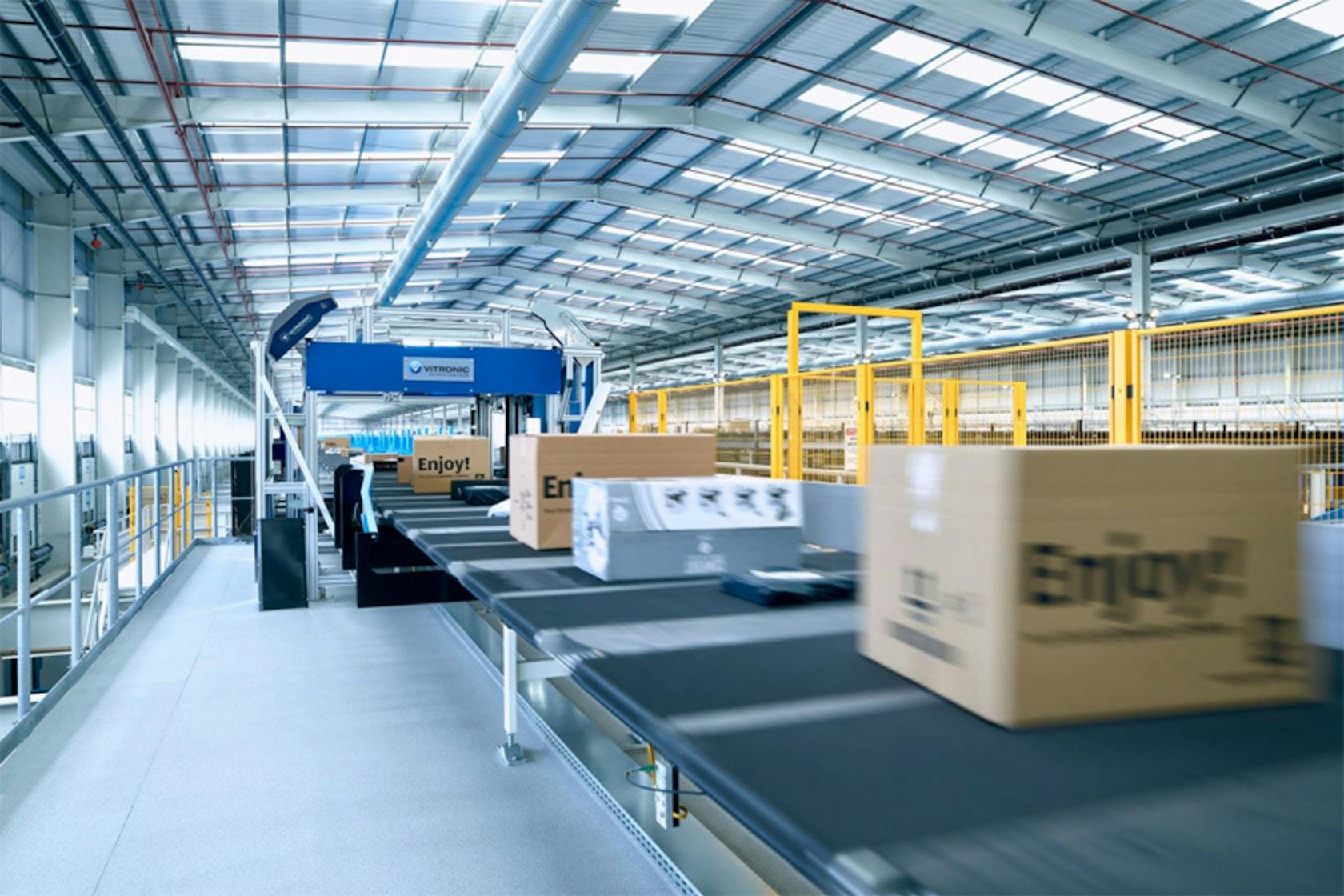
In coordination, logistics becomes a managed process. We connect the operational chain across stakeholders so planning, routing, and execution are aligned rather than conflicting. The outcome is not “more data,” but better reliability: clearer situational awareness, faster response to deviations, and a stronger ability to stabilize performance across networks that are inherently distributed and multi-actor.
And because logistics must remain governable and trusted, we include the institutional context in the solution. Freight corridors operate within rules - safety requirements, compliance regimes, concession models, cross-border procedures, and data/privacy expectations. Reliability cannot be scaled if governance, accountability, and interoperability are missing.
Where customers require more than technology delivery, Logistics Mobility can be supported through long-term operating models - Logistics Operations as a Service. Delivered through our operating companies, this can include continuous monitoring, service management, operational reporting, and performance improvement cycles aligned with local governance expectations. It reduces the burden on internal teams, supports stable service levels, and provides a dependable foundation for freight reliability at scale.
Logistics Mobility is achieved when infrastructure, institutions, and operations work together - so goods move predictably, networks perform under pressure, and supply chains remain resilient. ITIS Holding connects the capabilities required for that coherence, enabling logistics and freight traffic to function as one system - across modes, stakeholders, and time.